Interesting new piece by Rutger van der Hoeven citing my research on the political economy of ageing (e.g. here and here):
Continue reading “My research is cited in De Groene Amsterdammer”Tag: economics
The Atlantic cites my research on ageing
Idrees Kahloon has just published an insightful piece on ageing in the Atlantic
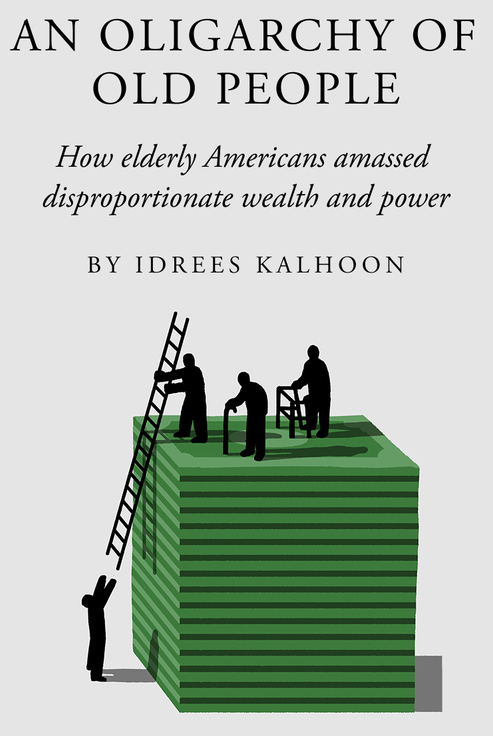
In which he also cites some of my work:
“According to Tim Vlandas, an Oxford political economist, advanced democracies around the world are reaching the point of “gerontonomia”—his term for a stagnating political economy set up to prioritize elderly citizens. These citizens punish their elected governments for inflation, which lessens the value of savings and pension payments. They are much more tolerant of unemployment, because they no longer work; slow growth, because their wealth has already accumulated; and high public debt, because their descendants will pay it. The result, Vlandas argues, is lower wage growth for those still working, and also worse outcomes for their children, as a result of lower social investment over the course of their lives.”
Continue reading “The Atlantic cites my research on ageing”EBRD report mentions my research on ageing
The EBRD has just published an interesting report on demographic change. There is a very good chapter on the political economy of demographic change where they build on my research to argue that addressing the challenges that ageing creates is complicated by the different policy priorities of different age groups.
Continue reading “EBRD report mentions my research on ageing”Grey power, pension reforms and the politics of slow growth in Europe
Ageing populations and the power of the “grey vote” are undermining Europe’s economic growth, as I write in a recent LSE blog. Yet an ageing Europe need not be a stagnant one if policymakers confront the sources of the grey power trap.
Continue reading “Grey power, pension reforms and the politics of slow growth in Europe”Taking stock of Welfare State Determinants: A new approach to assessing robustness in quantitative comparative research
By Michael Ganslmeier (University of Exeter) and Tim Vlandas (University of Oxford). First posted at SPA blog
The growth of quantitative comparative social policy research
Since Wilensky’s seminal work in 1975, the comparative welfare state literature has seen hundreds of quantitative studies exploring why some countries have more generous welfare states than others. Over time, the list of proposed determinants has grown substantially: economic growth and development, partisanship and party politics, globalisation and migration, union strength and economic coordination, political institution and fiscal capacity, and public opinion; to name just a few.
Continue reading “Taking stock of Welfare State Determinants: A new approach to assessing robustness in quantitative comparative research” Tim Vlandas
You must be logged in to post a comment.